


Prenatal (fetal) DNA paternity test

About the test
Paternity testing during pregnancy
The non-invasive prenatal DNA paternity test assesses biological paternity before the child is born. It analyses pregnancy-related cell-free DNA in the pregnant woman's blood and the alleged father's DNA.
Sample collection does not require amniocentesis or chorionic villus sampling. The pregnant woman's blood is collected by a healthcare professional.
Which samples are required?
A blood sample from the pregnant woman and a buccal epithelial sample from the alleged father are required. We will agree on the full set of samples and use of the special kit according to the testing laboratory's requirements.
Before ordering
Contact us and tell us the stage of pregnancy. We will agree on test suitability, delivery of the special kit and the sample collection location.
What does the test show?
The report provides a conclusion about the alleged father's biological relationship to the fetus. This test is not a screening test for fetal chromosomal disorders.
From order to result
How does the test work?
Arrange the test
We will discuss the stage of pregnancy, sample requirements and collection procedure.
Provide the samples
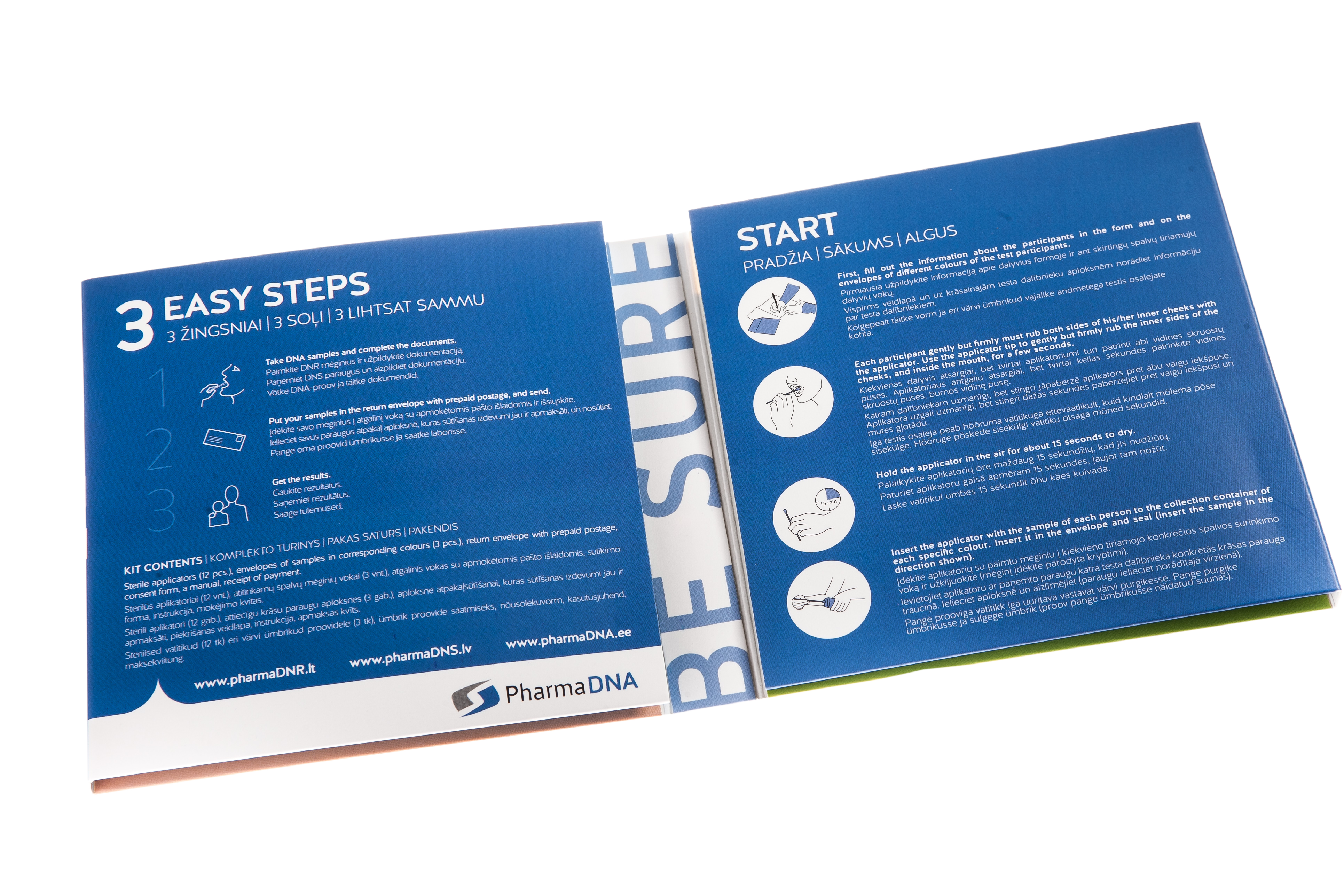
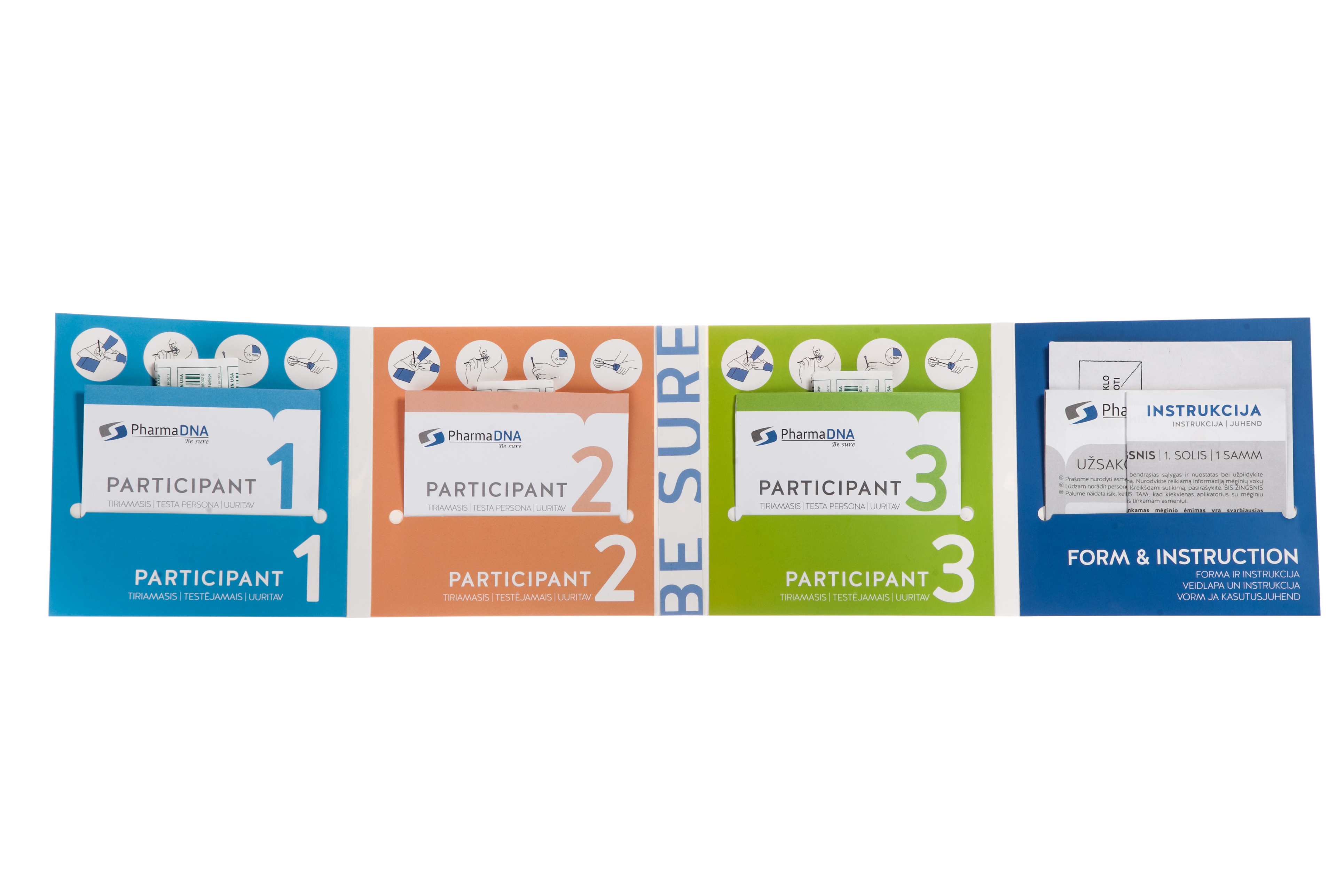
The blood sample is collected using a special kit; the alleged father provides the required DNA sample.
Receive the conclusion
The test result is provided by email or by another method agreed in advance.
Documents and instructions
Frequently asked questions
From which week of pregnancy can the test be performed?
Test suitability depends on the stage of pregnancy and the specific laboratory's requirements. Agree on the appropriate time for sample collection before ordering.
Can samples be collected at home?
The pregnant woman's blood must be collected by a healthcare professional. The collection location and special kit are arranged in advance.
When will I receive the results?
The estimated test turnaround time is 10–15 working days. When you order, we will clarify when this period starts and whether sample delivery is included.
What happens if the sample is insufficient for testing?
An insufficient amount of the DNA required for testing or inadequate sample quality may prevent a conclusion from being issued. Further steps are agreed according to the laboratory's procedure.
Can the fetal sex also be determined?
The availability and terms of this additional service must be agreed before ordering.