


Relationship DNA test
| Additional participants |
|
Describe who will be tested and which relationship you want to check. If relevant, specify whether the possible relationship is on the maternal or paternal side. Names are not needed here. Insert an example: |
About the test
Learn more about biological relationships
A relationship DNA test helps assess a possible biological relationship between siblings, grandparents and grandchildren, or aunts or uncles and their nieces or nephews.
The participants' DNA data are compared to assess which of the relationship hypotheses under consideration they support more strongly. The appropriate test and participants are selected according to the specific family question.
Which family relationship would you like to clarify?
Brothers and sisters
The test assesses whether the participants may share both biological parents, one father or mother, or whether their DNA data support the absence of a relationship more strongly. Before testing, it is important to state which possibilities you wish to compare.
Grandparents and grandchildren
The test assesses a possible biological relationship between a grandfather or grandmother and a grandson or granddaughter. This test may be chosen when the alleged father or mother cannot be tested directly.
Aunts, uncles and their nieces or nephews
The test assesses whether the participant may be a brother or sister of the child's biological father or mother. It is important to know and specify the assumed family relationships for the test.
How is the test performed?
Discuss your situation
Specify which relationship you wish to test and which family members can provide samples. We will help you choose an appropriate test option.
Provide the samples
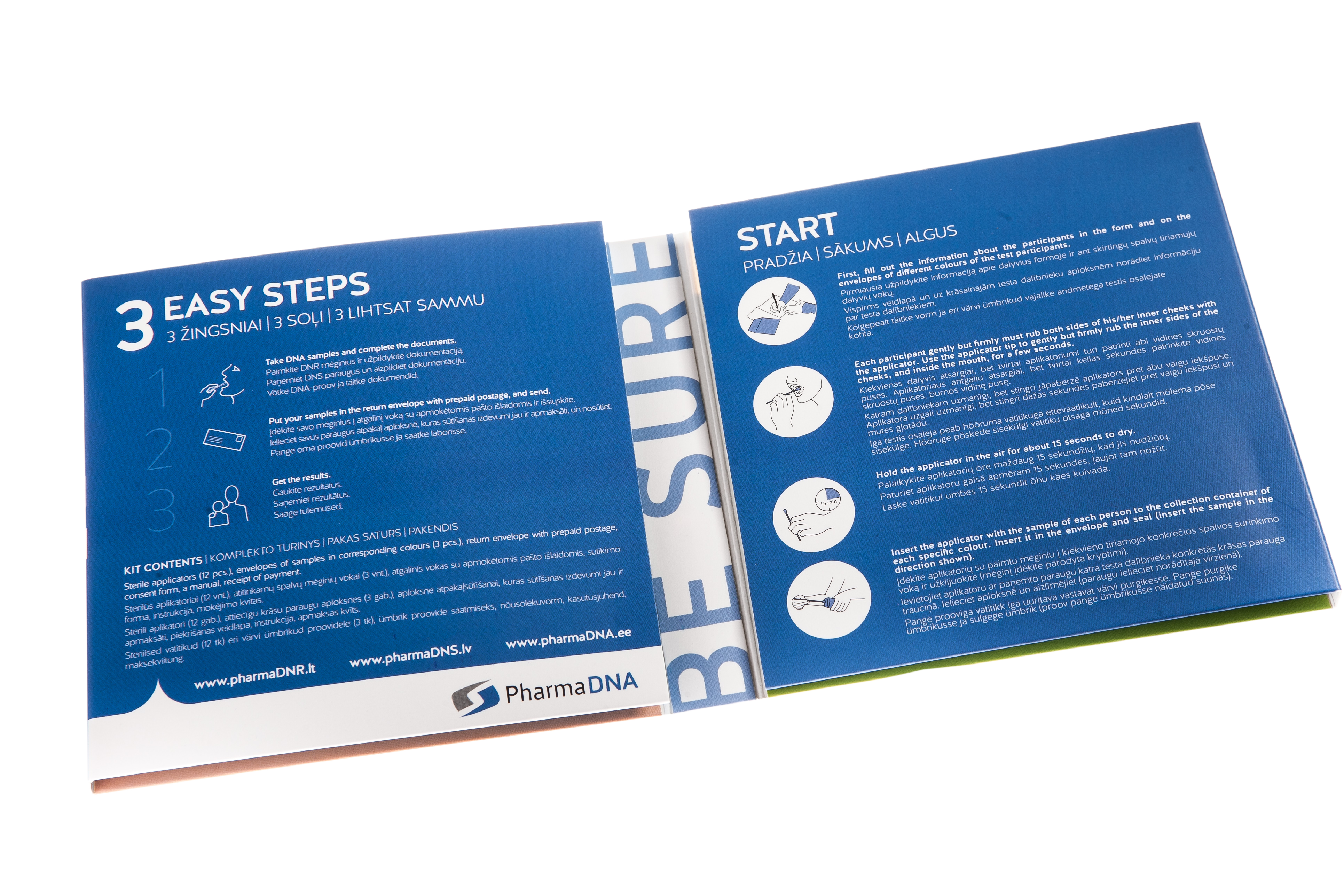
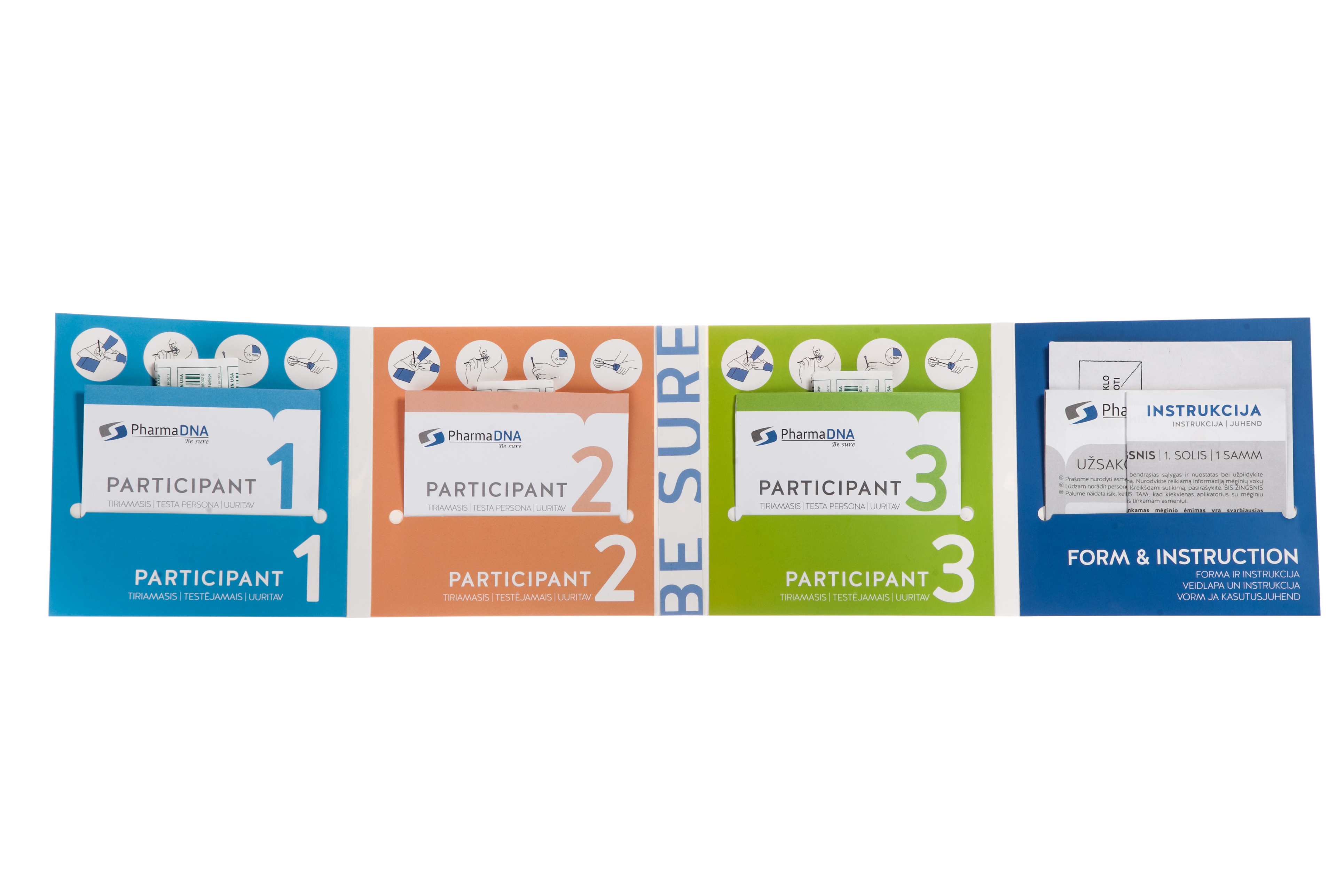
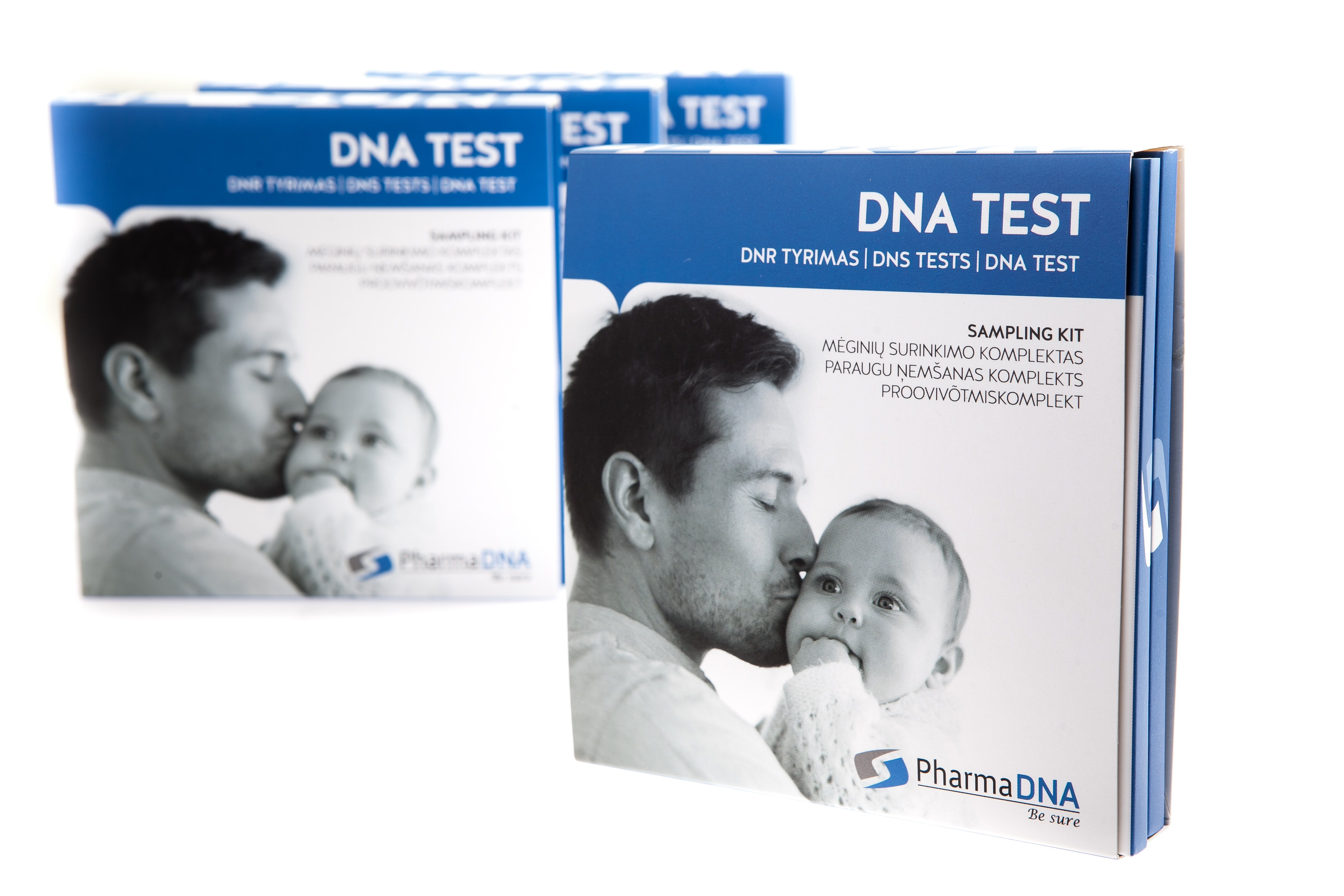
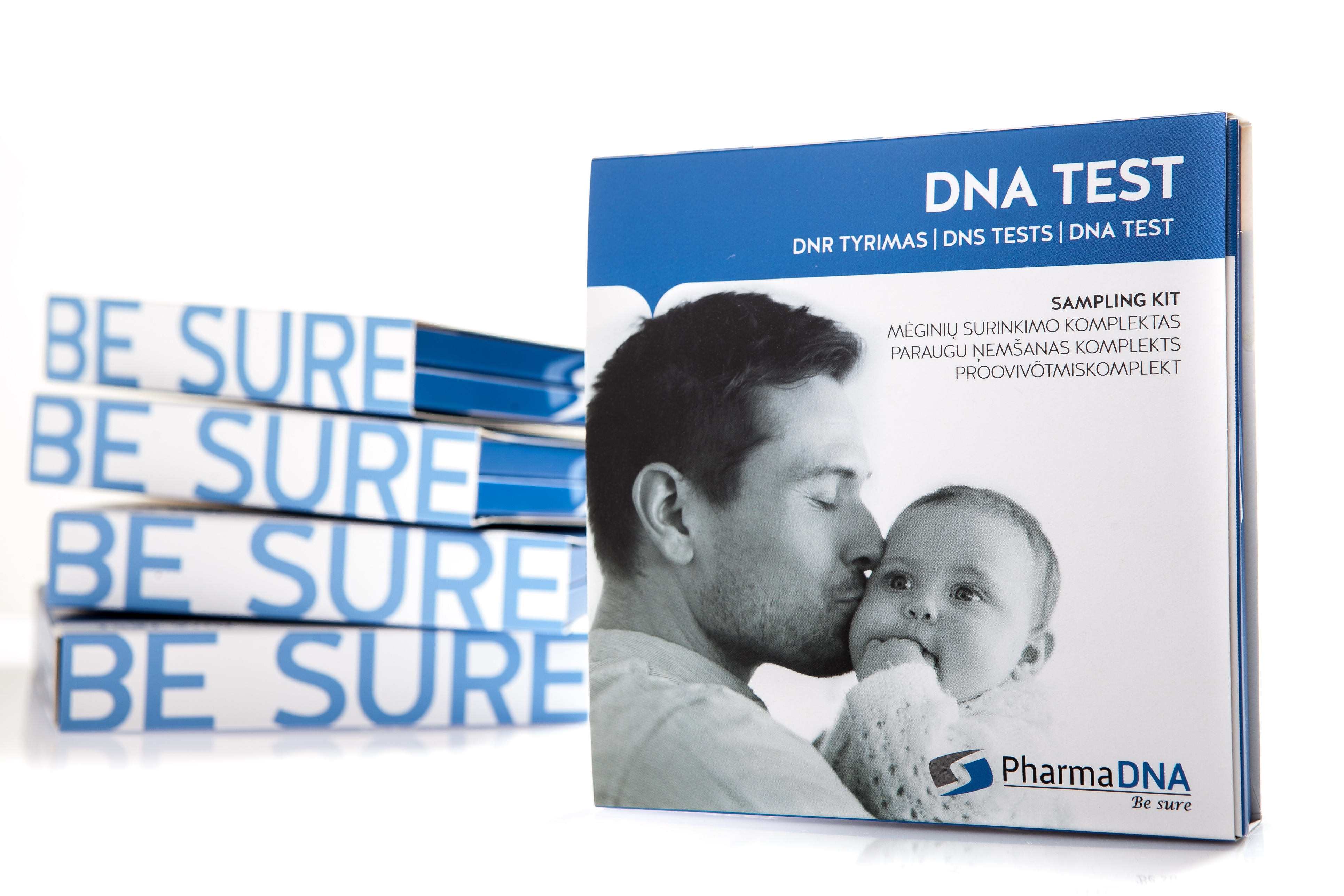
Buccal cell samples collected with a swab are usually used for the test. Collect, label and package each person's samples according to the instructions provided.
Receive the test conclusion
The laboratory will compare the DNA data and provide a conclusion based on the relationship hypotheses assessed.

What does a relationship test result show?
The conclusion of a relationship test is based on statistical assessment of DNA data. It shows which of the compared relationship hypotheses the data support more strongly.
The data support the relationship being tested
The result provides stronger support for the assumed relationship.
The data support another hypothesis more strongly
The result is more consistent with another possibility assessed in the test, such as the absence of a relationship.
Insufficient data for a clear conclusion
In some cases, the relationship hypotheses being compared cannot be distinguished with sufficient confidence.
The conclusion applies to the specific hypotheses compared in the test. It does not in itself establish all possible family relationships.
Additional family members' samples may help
In some cases, samples from the biological mother, father or other appropriately selected relatives may make the test more informative. The number of participants is not the only factor; their relationship to the people being assessed also matters. It is therefore advisable to agree on the participants before ordering the test.
Frequently asked questions
Can samples be collected at home?
Standard buccal cell samples can be collected at home following the kit instructions. If the test is needed for legal purposes, agree on the sample collection procedure before ordering.
Can another DNA source be tested?
Possible DNA sources are listed in the product options. If you wish to provide a different sample, confirm its suitability before ordering. Not every sample yields enough DNA for testing.
Is the result always conclusive?
No. In some cases, the DNA data are insufficient to clearly distinguish between the relationship possibilities being assessed. Samples from additional family members or another testing method may then be recommended.
How many people need to participate?
The number of participants depends on the question you wish to clarify. Before ordering, specify the assumed relationships and who can provide samples.
How long does the test take?
The test is usually completed within 14 working days. Confirm the timeframe for the specific test when ordering.
Is the kit included?
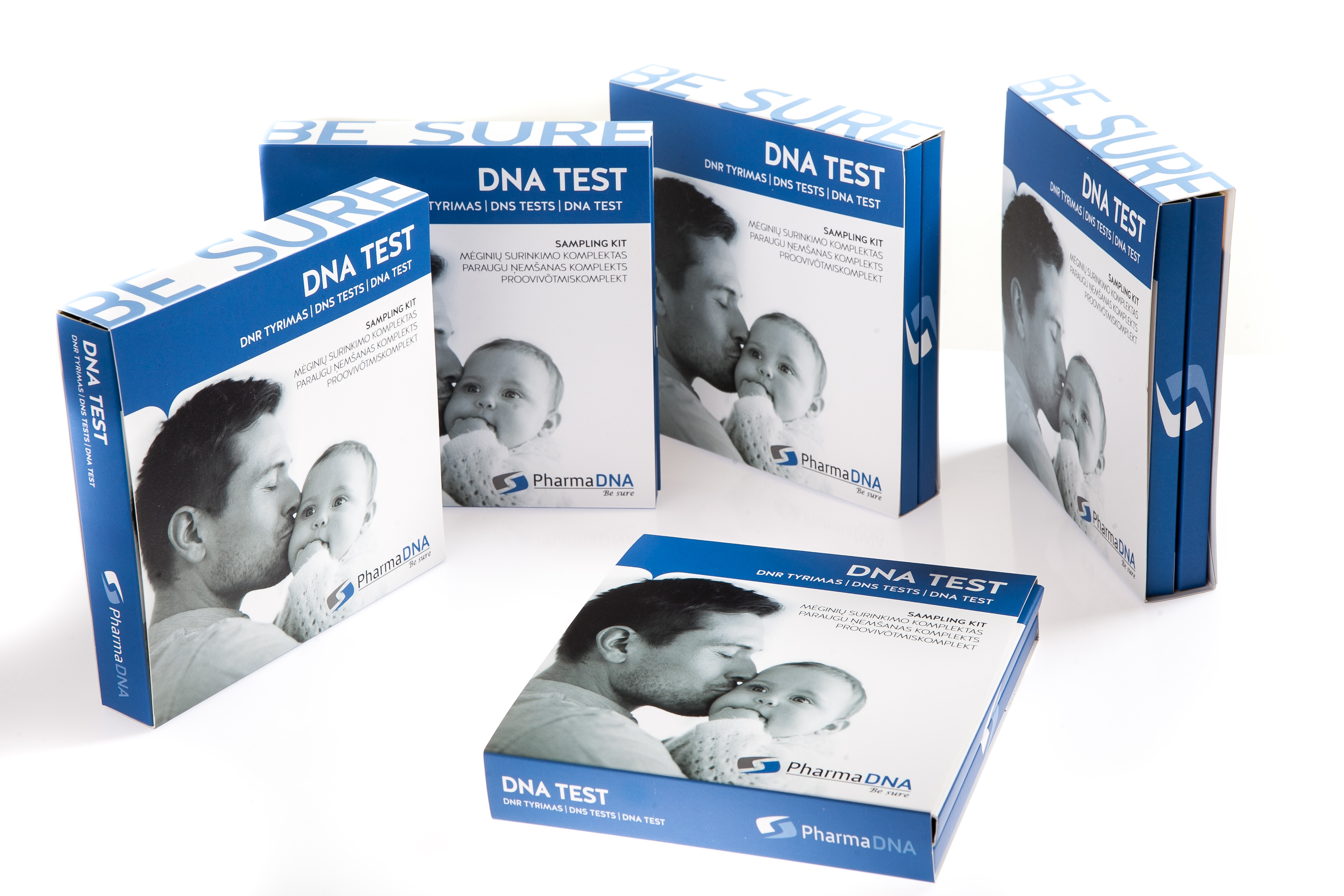
When you order the test online, the sample collection kit is provided free of charge.
Can relationships through the paternal or maternal line be tested?
The possibilities for testing such relationships need to be assessed individually. Specify which relationship you wish to test and which relatives can participate.